American Fork Foundation Pros
Wall Stabilization in American Fork, UT
Wall anchors, carbon fiber straps, and steel bracing for bowing basement walls in American Fork, UT homes. Free estimates.
- 15+ Years local experience
- 500+ Projects completed
- Licensed & Insured
Serving American Fork and nearby communities.
A basement wall that bows inward isn't a cosmetic problem, it's hydrostatic pressure building up outside the wall faster than it can handle. American Fork Foundation Pros sees this most after spring snowmelt, when saturated soil pushes against basement walls until they start to lean or crack along a horizontal line.
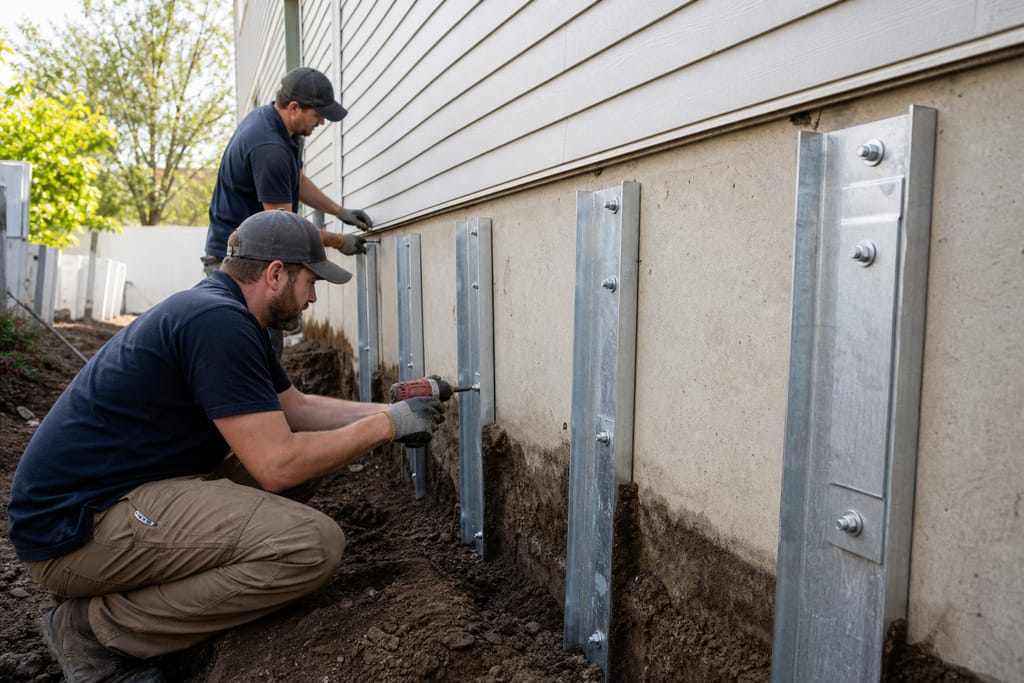
Fixing it means stopping the inward movement first, then addressing what's already cracked. Depending on how far the wall has moved, that's anchors, carbon fiber straps, or steel bracing, each chosen for the amount of correction the wall actually needs.
What's included
What's included
Typically included: wall inspection, pressure and movement assessment, reinforcement installation, tensioning. Optional: epoxy crack sealing before reinforcement, exterior grading adjustments to reduce future pressure. Customer prep: clear basement wall access, move stored items away from the work zone.
Want a clearer scope?
Get a Free EstimateHow it works
How our Wall Stabilization process works
 Step 1
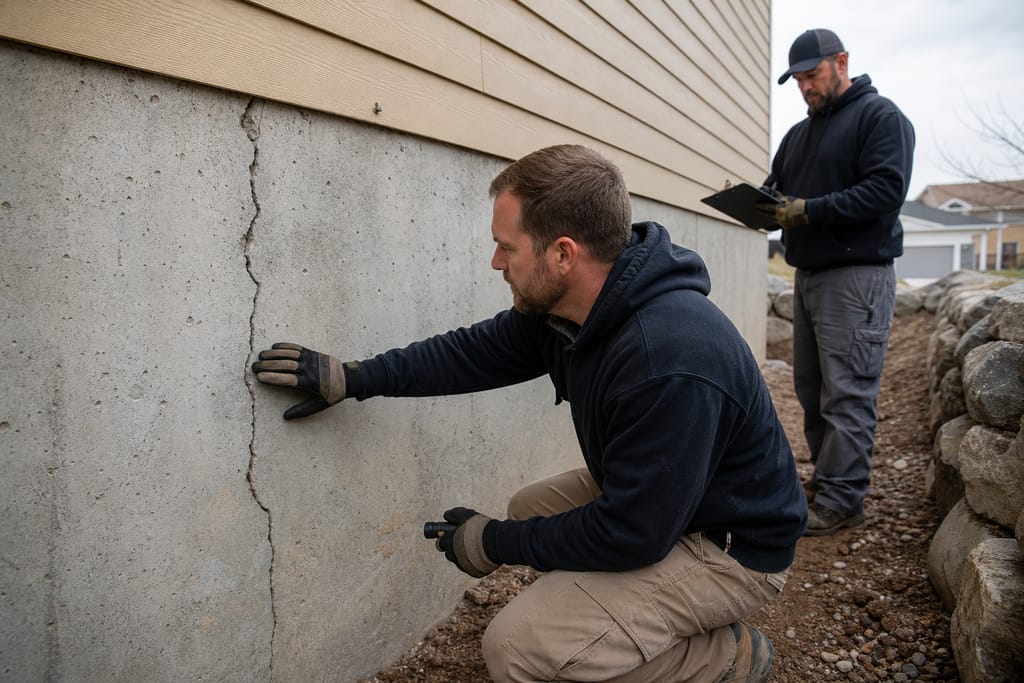
Wall Inspection
Walls are examined for bowing, cracking, or leaning indicators.
 Step 2
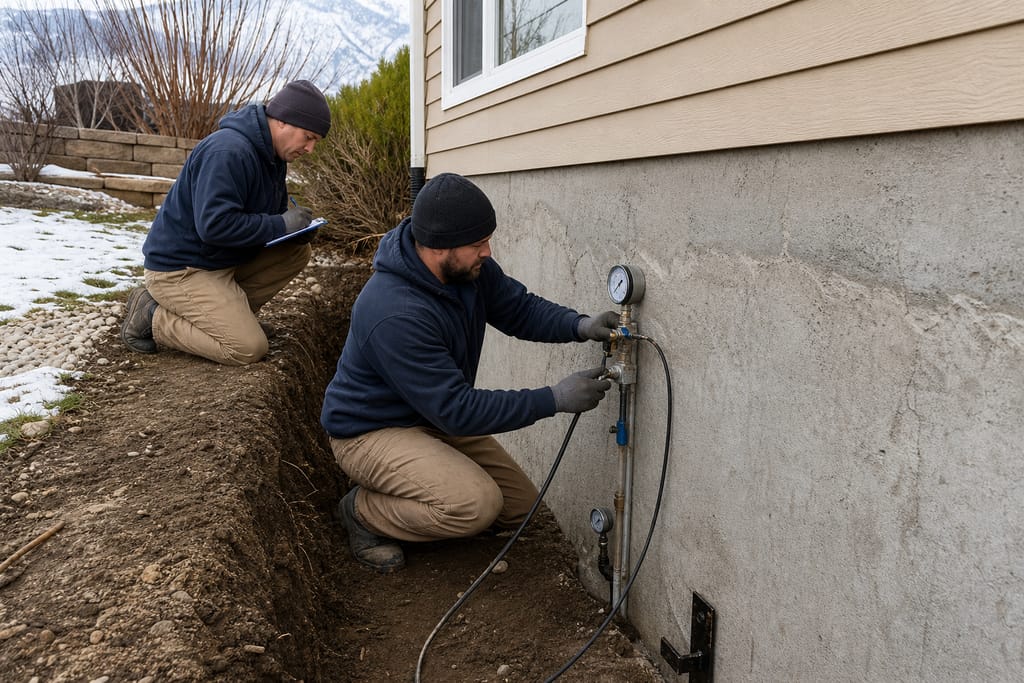
Pressure Assessment
Soil and hydrostatic pressure contributing to wall movement are evaluated.
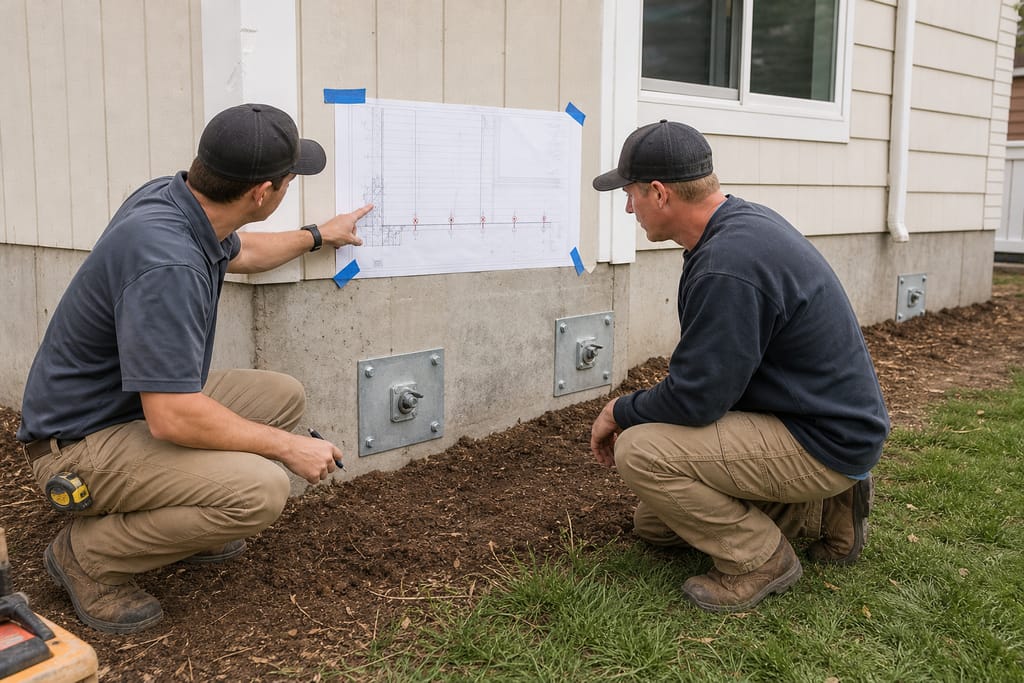 Step 3
Reinforcement Planning
A stabilization method is selected based on wall condition and severity.
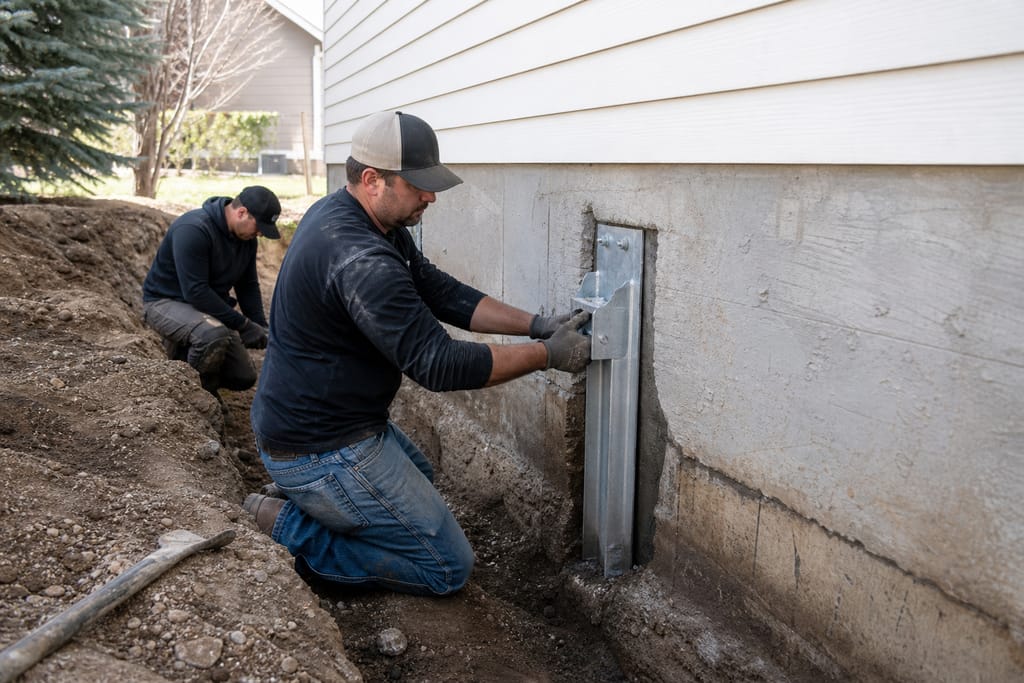 Step 4
Anchor Or Brace Installation
Support systems are installed to halt further wall movement.
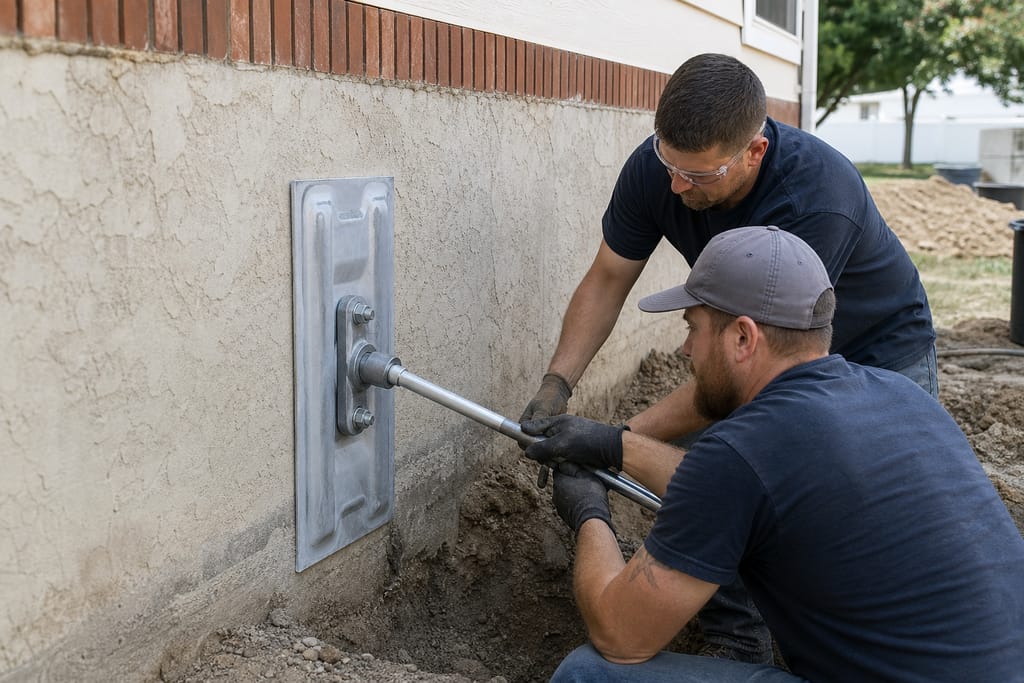 Step 5
Tensioning Adjustment
Anchors or braces are tightened to gradually stabilize the wall.
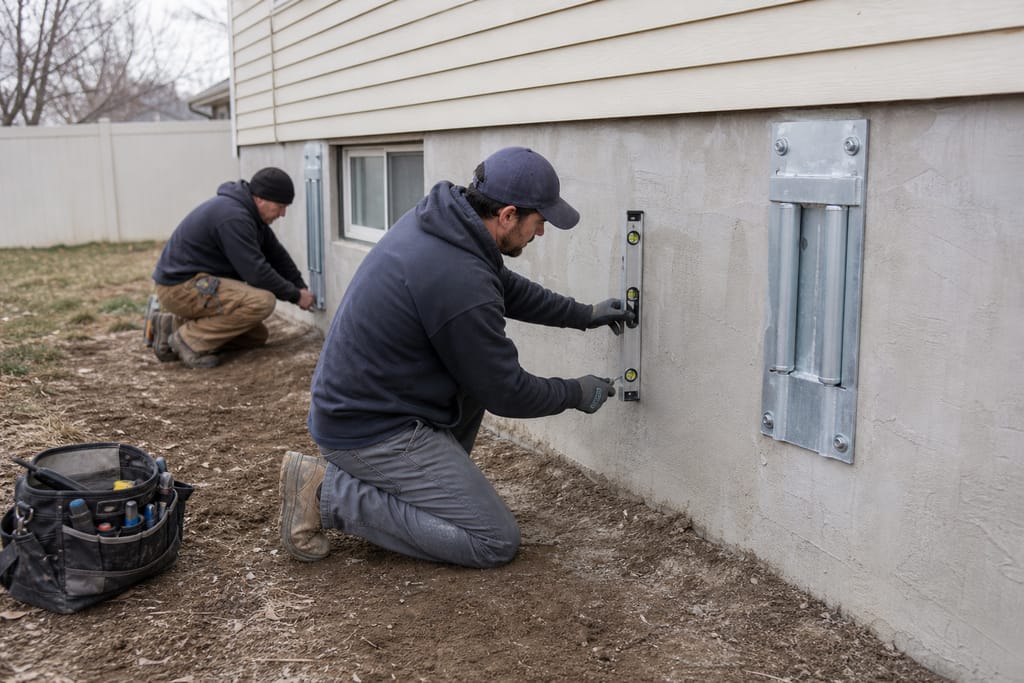 Step 6
Final Inspection
The wall is rechecked to confirm stability and proper installation.
Materials
Materials and methods for Wall Stabilization
The right system depends on how much the wall has already moved.
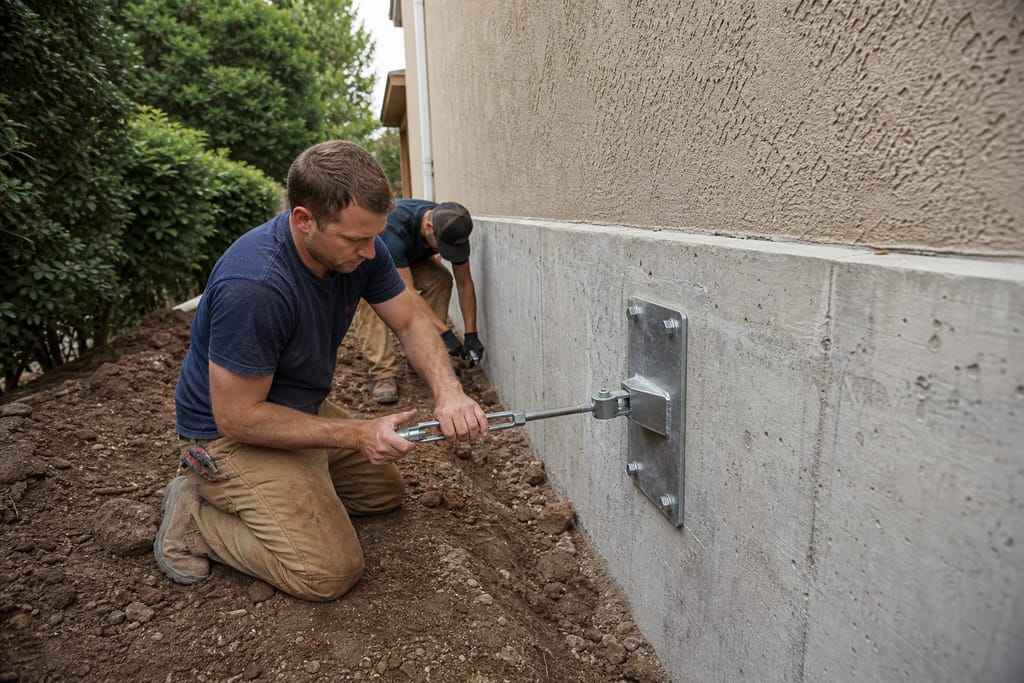
Wall Anchors
installed in the yard to counteract inward pressure, often the go-to fix for walls bowing from spring runoff saturation.
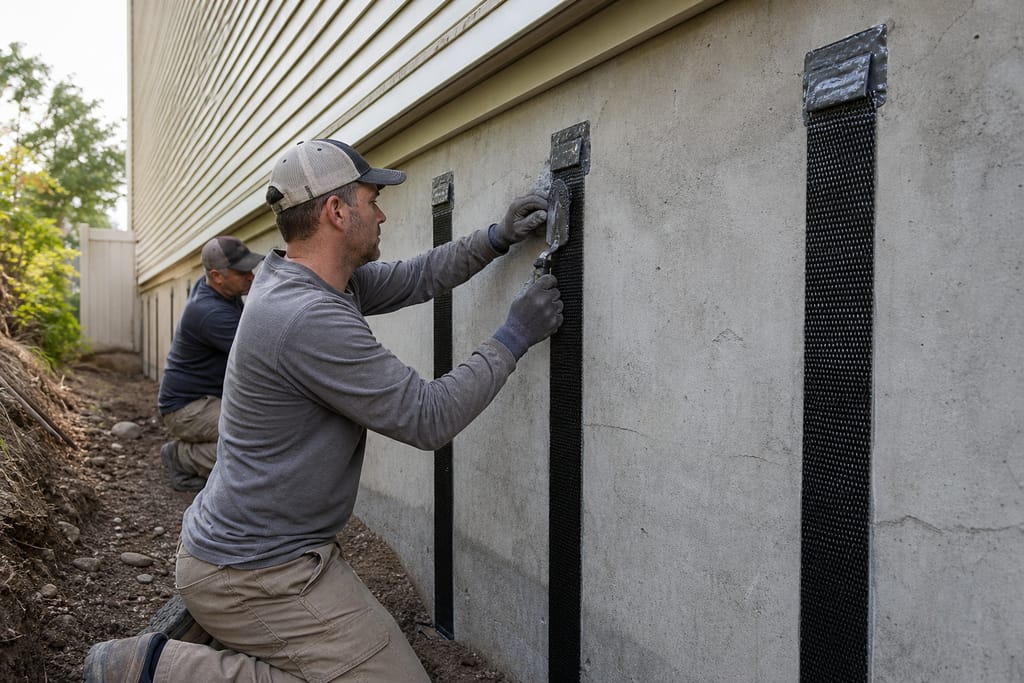
Carbon Fiber Straps
reinforce walls without major excavation, suited to early-stage bowing before it's gotten severe.
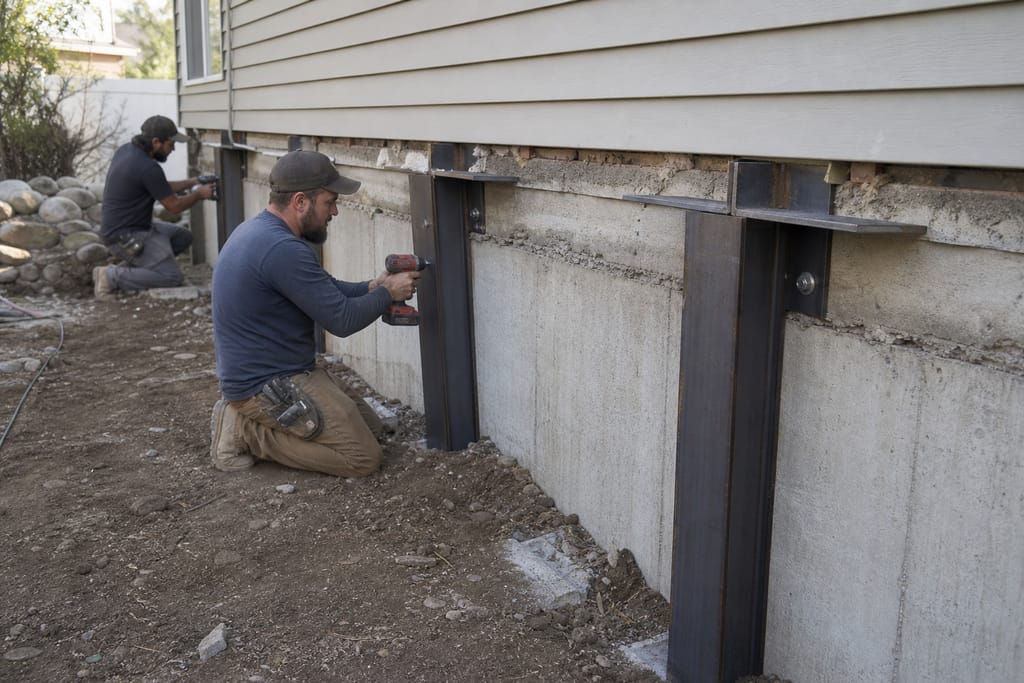
Steel I-Beams
rigid bracing for walls with more advanced lateral movement.
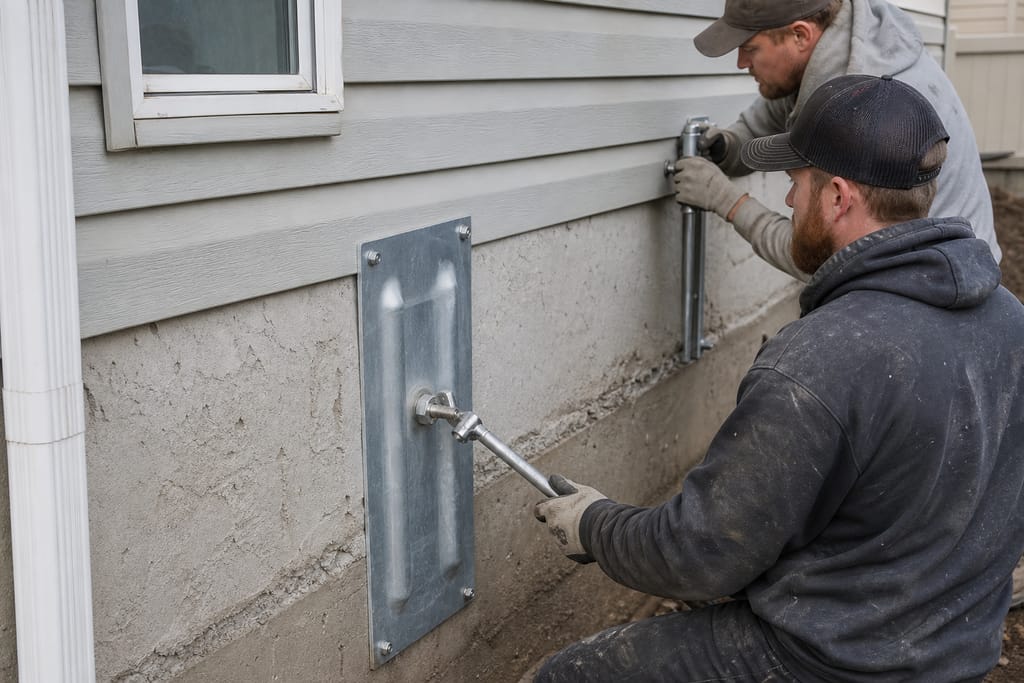
Wall Plates
distribute anchor tension evenly so the wall doesn't develop new stress points.
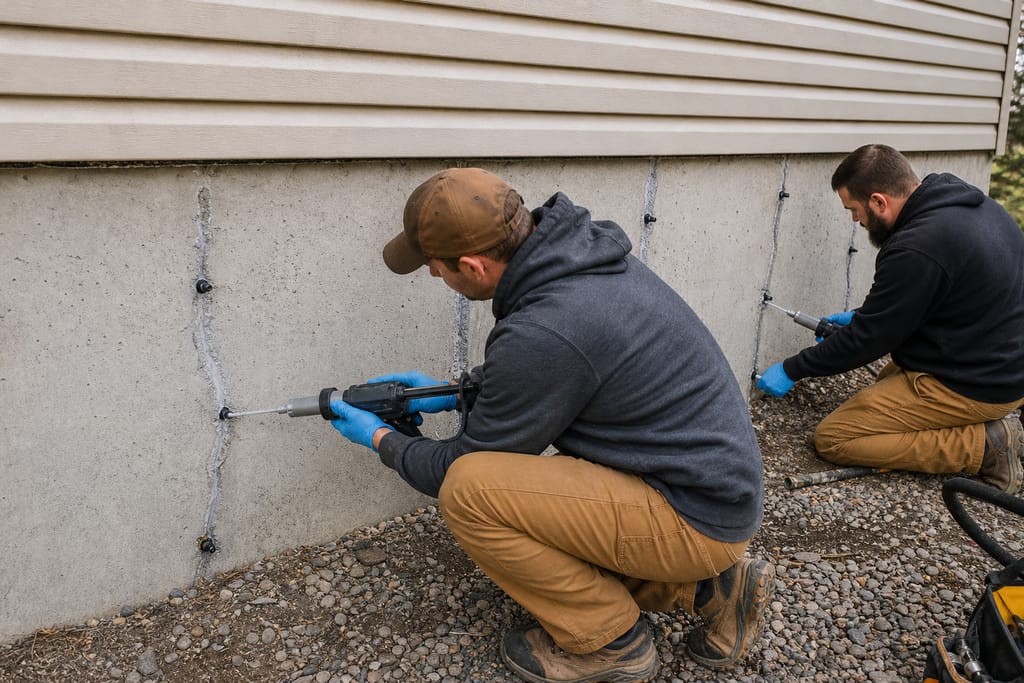
Epoxy Crack Filler
seals existing cracks before reinforcement goes on.
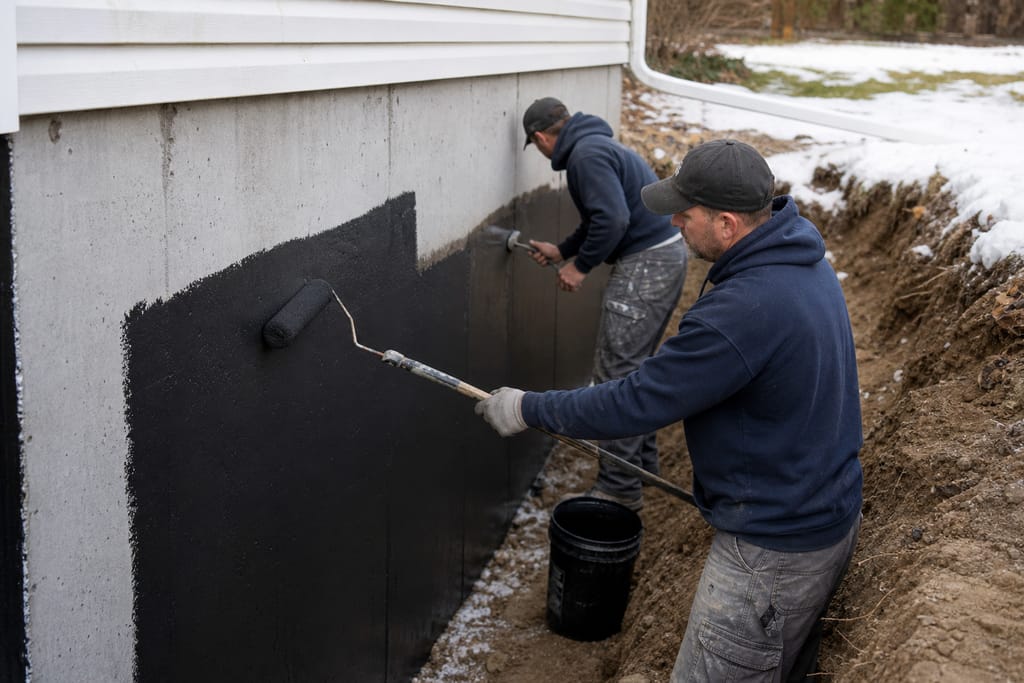
Moisture Barrier Coating
protects the reinforced wall from the same water exposure that caused the problem.
Questions on materials?
Get a Free EstimateTimeline
How long does a Wall Stabilization take?
Most wall jobs wrap within a couple days once the plan is set.
- 01
Consult and inspection
same day - 02
Permit approval
1–2 weeksfor structural bracing
- 03
Anchor or brace installation
1–2 days - 04
Tensioning
same day - 05
Final inspection
within a week
Need a schedule that fits?
Get a Free EstimateCodes & permits
Permits and codes for Wall Stabilization
Verify specific requirements with Utah County before scheduling work.
| Typically needs a permit | Often no permit |
|---|---|
| Steel I-beam or anchor system installation | Epoxy crack filling performed alone |
| Any structural bracing tied to the foundation | Interior moisture barrier coating |
Need help with permits?
Get a Free EstimateDIY vs pro
DIY vs hiring a pro for Wall Stabilization
| DIY | Hire a pro |
|---|---|
| Clearing downspouts and extending them away from the foundation | Any actual anchor or brace installation, since tensioning has to be calculated, not guessed |
| Watching and photographing a bowed section over time | Walls already showing horizontal cracking or visible bow |
| Improving yard grading so water drains away from the wall | Situations where epoxy alone won't stop ongoing movement from hydrostatic pressure |
Not sure DIY vs pro?
Get a Free EstimateWhen to call
When to call for Wall Stabilization
Call American Fork Foundation Pros for a free estimate before the wall moves further.
- Visible inward bow in a basement wall
- Horizontal or stair-step cracking along the wall
- Cracking that worsened after spring snowmelt
- A wall that's noticeably leaned since last year
Seeing warning signs?
Get a Free EstimateBefore & after
Before and after Wall Stabilization
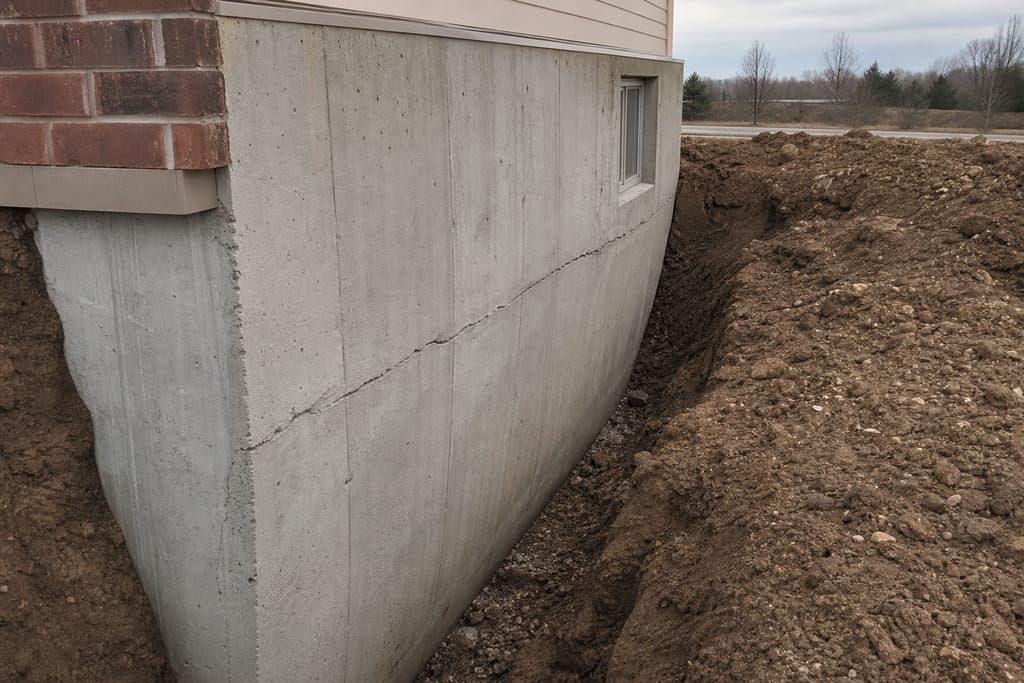
Before 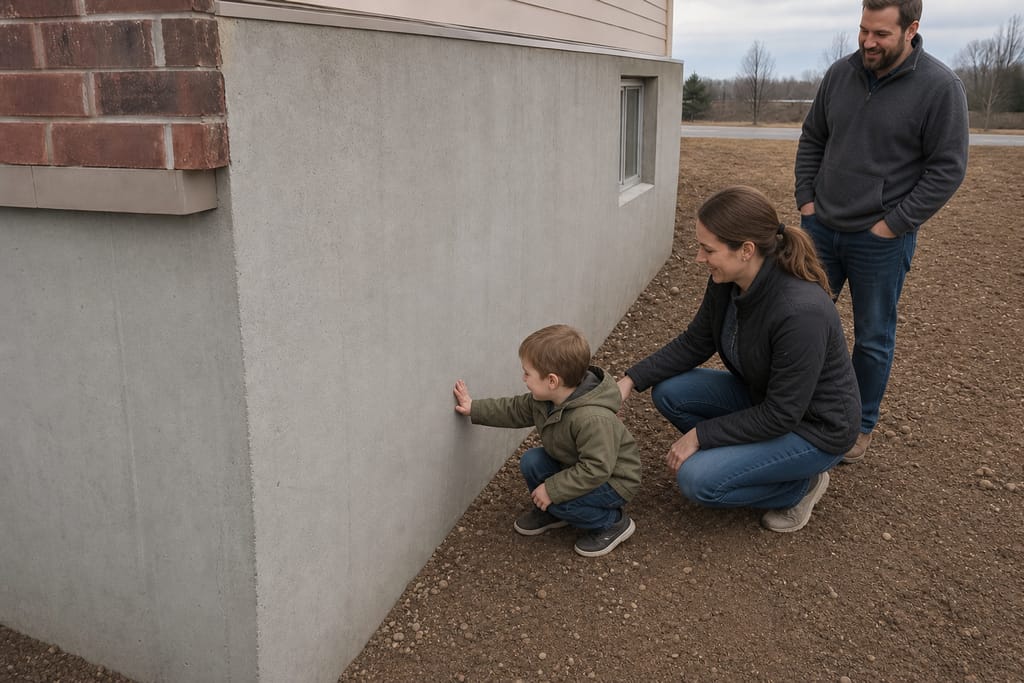
After
FAQs
Wall Stabilization FAQs
Why is my basement wall bowing after winter?
Snowmelt saturates the soil outside the wall, building hydrostatic pressure that pushes inward until the wall bows or cracks horizontally.
What causes diagonal cracks near basement windows?
Diagonal cracks near window openings usually point to differential settlement or corner movement, different from the straight horizontal cracking typical of wall pressure.
Can a bowing wall be fixed without replacing it?
Yes. Anchors, straps, or bracing stop the movement and stabilize the wall without a full rebuild.
How much movement is too much for carbon fiber straps?
Straps work well for early-stage bowing. Walls with more advanced lean usually need anchors or steel bracing instead.
Do I need a permit for wall anchors?
Structural anchor or brace installation tied to the foundation typically needs a Utah County permit.
Next step
Get a Wall Stabilization estimate in American Fork
Call American Fork Foundation Pros at +1 (385) 304-4835 or request a free estimate online.
More services
Other Foundation Repair services
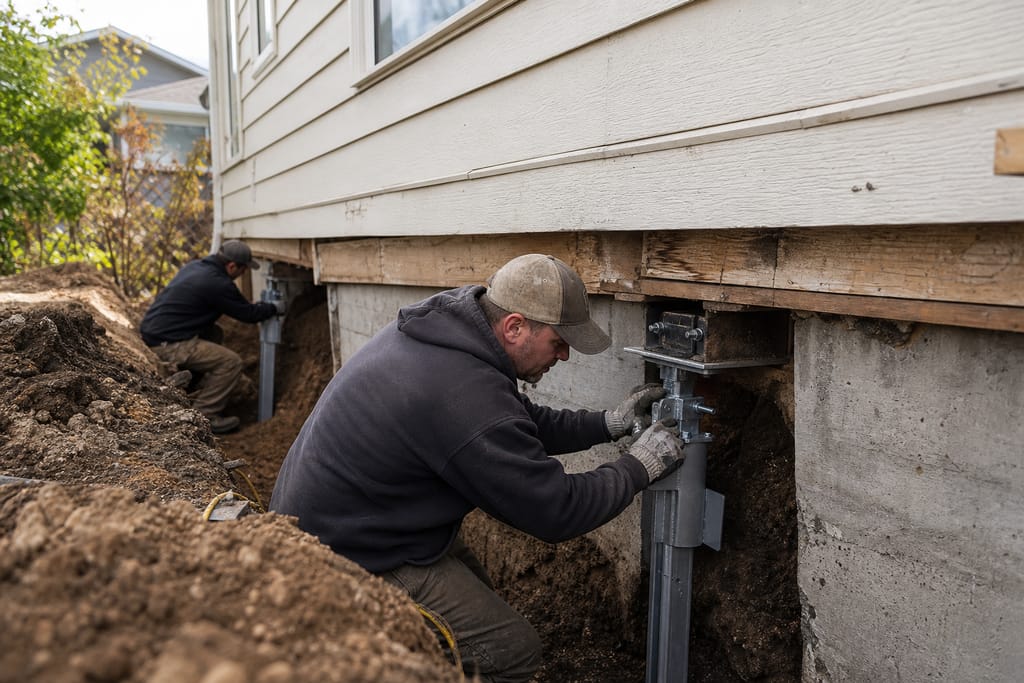
Foundation Repair
Foundation repair in American Fork: pier installs, crack injection, and wall support. Free estimates.
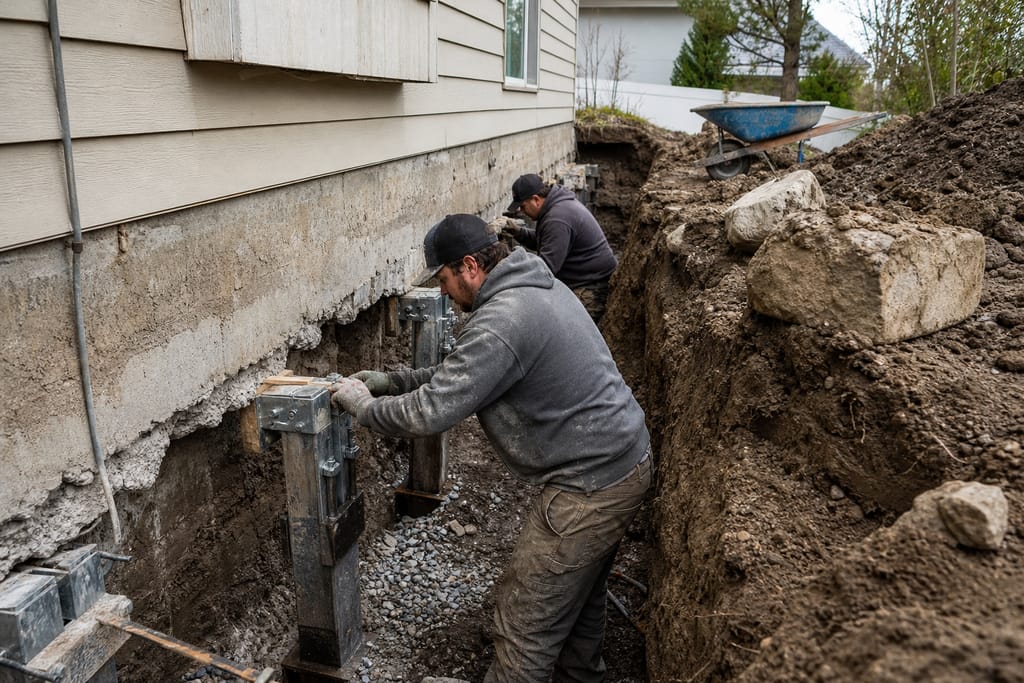
Piering and Underpinning
Steel push piers and helical piers for American Fork foundations, driven to stable bearing soil below bench-lot fill. Free estimates.
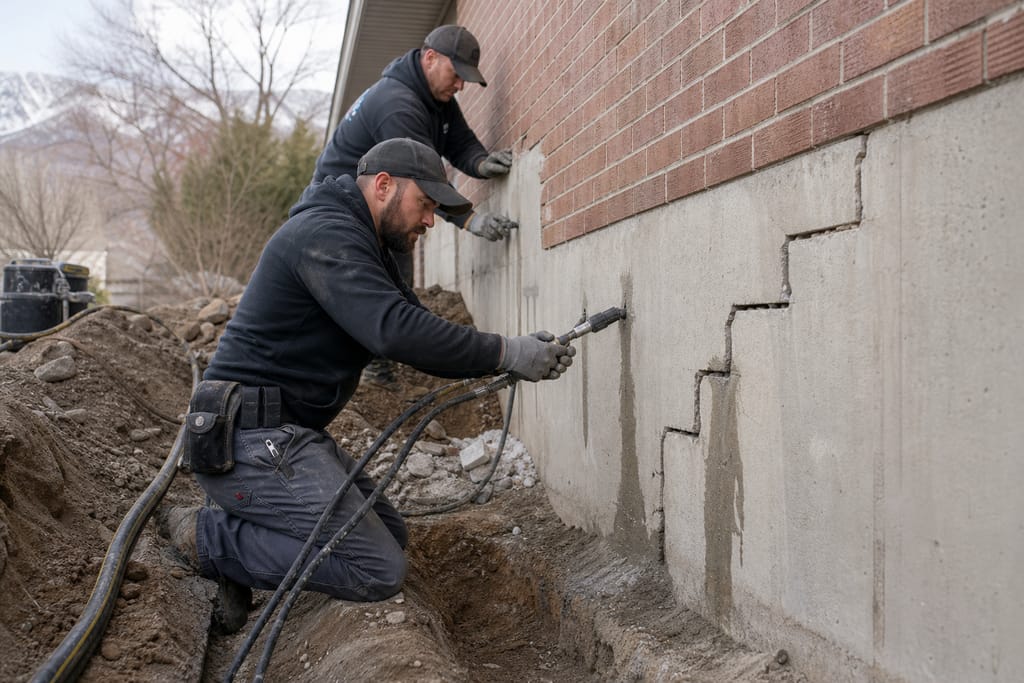
Foundation Crack Repair
Epoxy and polyurethane crack injection for American Fork, UT foundations, sealing structural and water-entry cracks. Free estimates.
Ask about Wall Stabilization
Tell us about the project and how to reach you.